
Skip to main content
Bronze casting capabilities
Cast for Strength.
Built for Repeatability.
Bunting produces centrifugal castings and permanent mold products at its casting facility, matching the process, alloy and finishing route to each application.
Choose the right process
Two Casting Methods. Different Advantages.
The best route depends on geometry, alloy, quantity, dimensional requirements and the amount of finishing required.
Centrifugal casting
Large, Sound Cored Forms
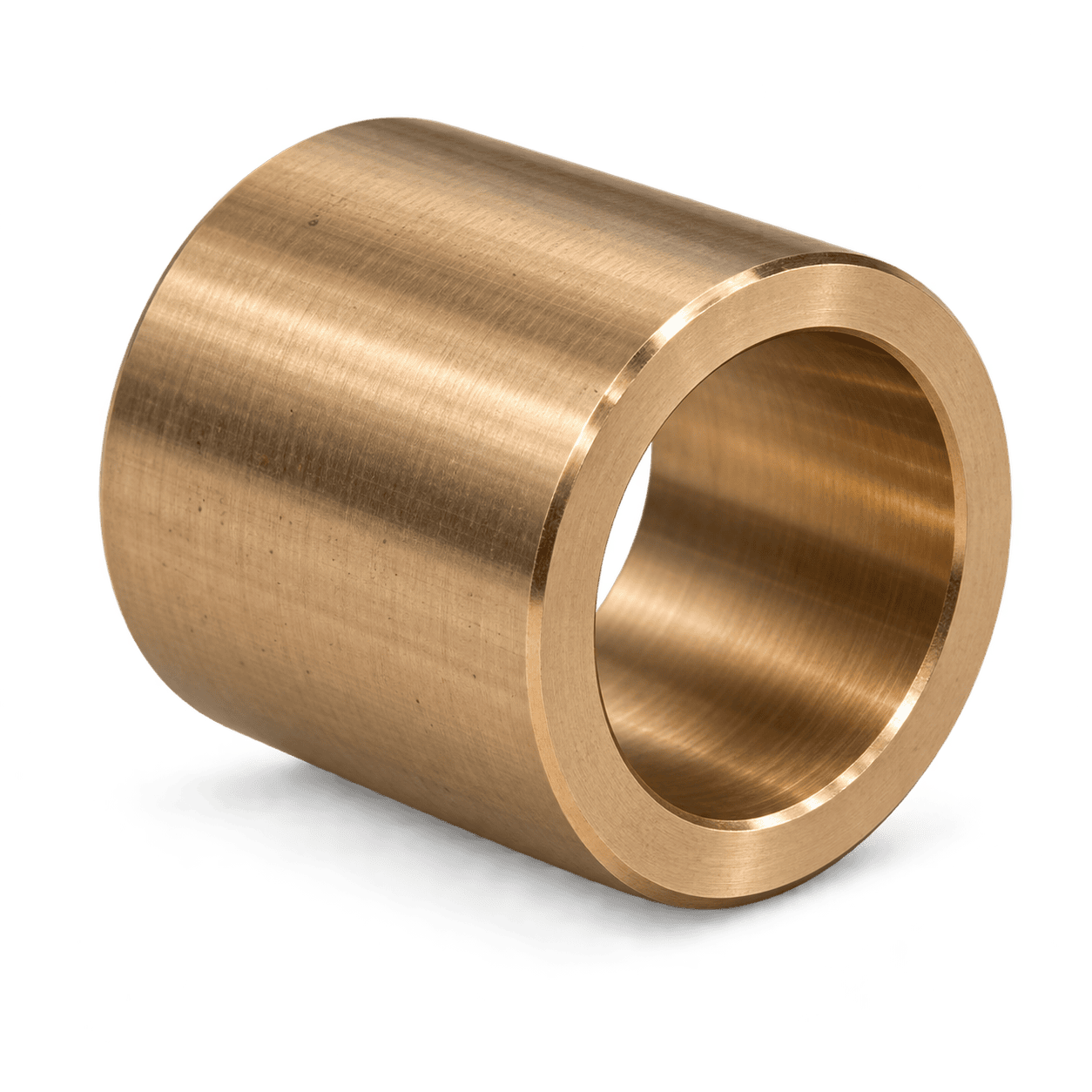
Molten bronze is introduced into a rotating mold to produce cylindrical castings with a dense structure and geometry well suited for bearings, bushings, rings and other cored components.
- Large-diameter vertical and horizontal castings
- Standard and made-to-order sizes and lengths
- Multiple bronze and aluminum-bronze alloys
- Castings supplied rough or machined as required
Permanent mold casting
Repeatable Near-Net Shapes
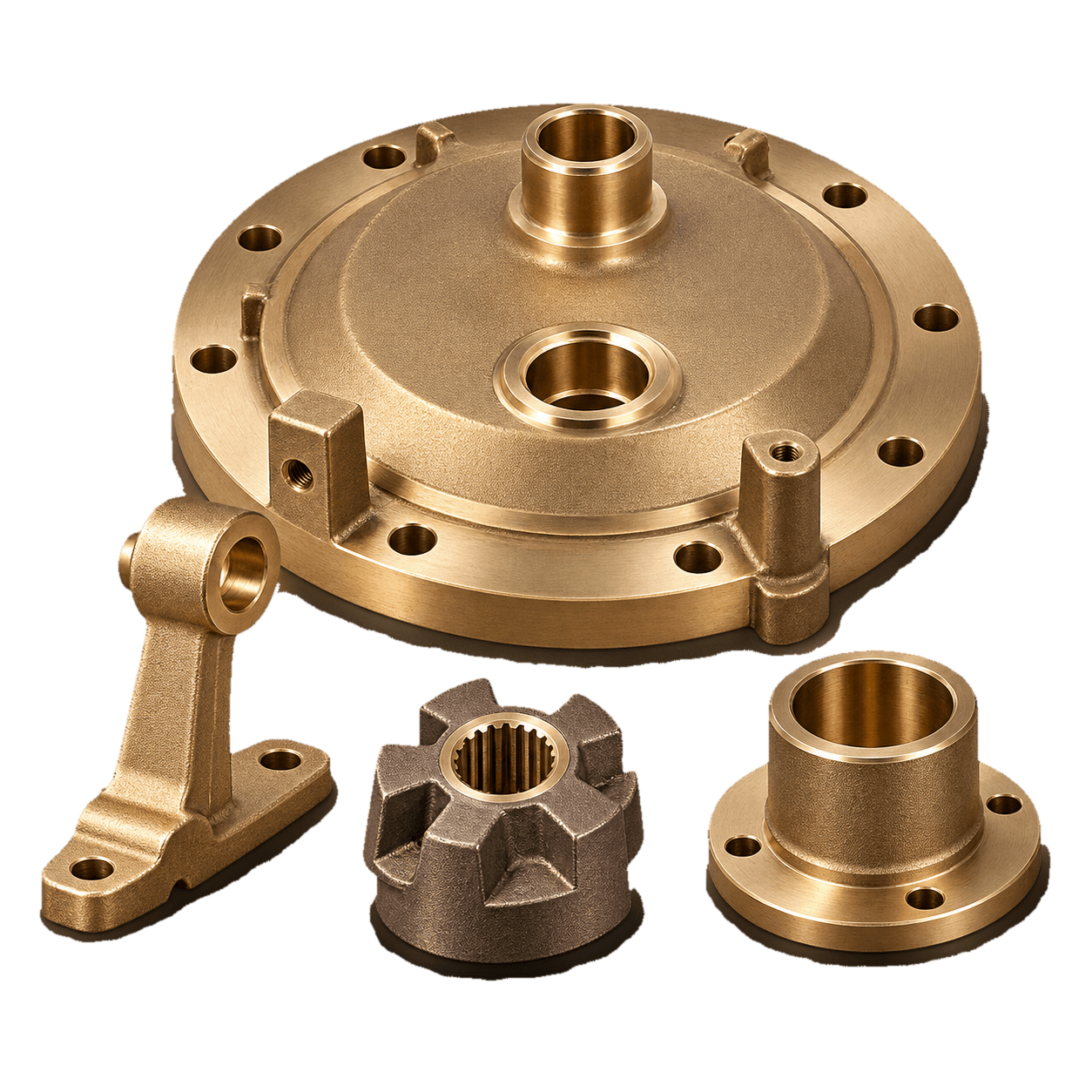
Reusable metal dies produce consistent non-ferrous castings with closer dimensional control, smoother surfaces and thinner sections than conventional sand-cast components.
- Near-net-shape production components
- Repeatable dimensional control
- Fine cast surface finishes
- Cast-in holes, cores and metal inserts
Centrifugal casting
Built for Cylindrical Components.
Centrifugal casting places molten metal against the mold wall through rotation. The process is suited to cylindrical components where material integrity, alloy selection and machining allowance matter.
Actual Bunting centrifugal-pour footage
Permanent mold casting
Consistency Built Into the Die.
Permanent mold casting uses reusable metal dies to produce dense, repeatable non-ferrous parts. Near-net shaping can reduce secondary machining and assembly requirements.
One casting facility
From Alloy Selection to Verified Casting.
Both casting processes are supported at the same Bunting facility, with the manufacturing route selected around the drawing and application.
Evaluate geometry, alloy, quantity and service requirements.
Choose centrifugal or permanent mold casting.
Prepare and verify the specified alloy heat.
Control filling and solidification for the selected process.
Trim, clean and machine when required.
Verify the required material and dimensional criteria.
Alloy experience
Bronze Options for Different Loads and Environments.
Final alloy selection should be based on the application, loading, lubrication, environment and applicable specification.
Quality and finishing
Support Beyond the Pour.
Product pathways
Move From Capability to Product.
Start the conversation
Have a casting drawing or application?
Send the requirements so Bunting can review the correct casting process, alloy and finishing route.